In parts of South Bend, the sump pump runs a lot more than people expect, sometimes every few minutes during a thaw. That workload is exactly why pumps here fail sooner and why the backup matters. A good installer looks at how often yours cycles, where the water goes and what happens when the power drops.
We'll pass your details to an installer who works in South Bend. {phone}.
What You Can Get Help With
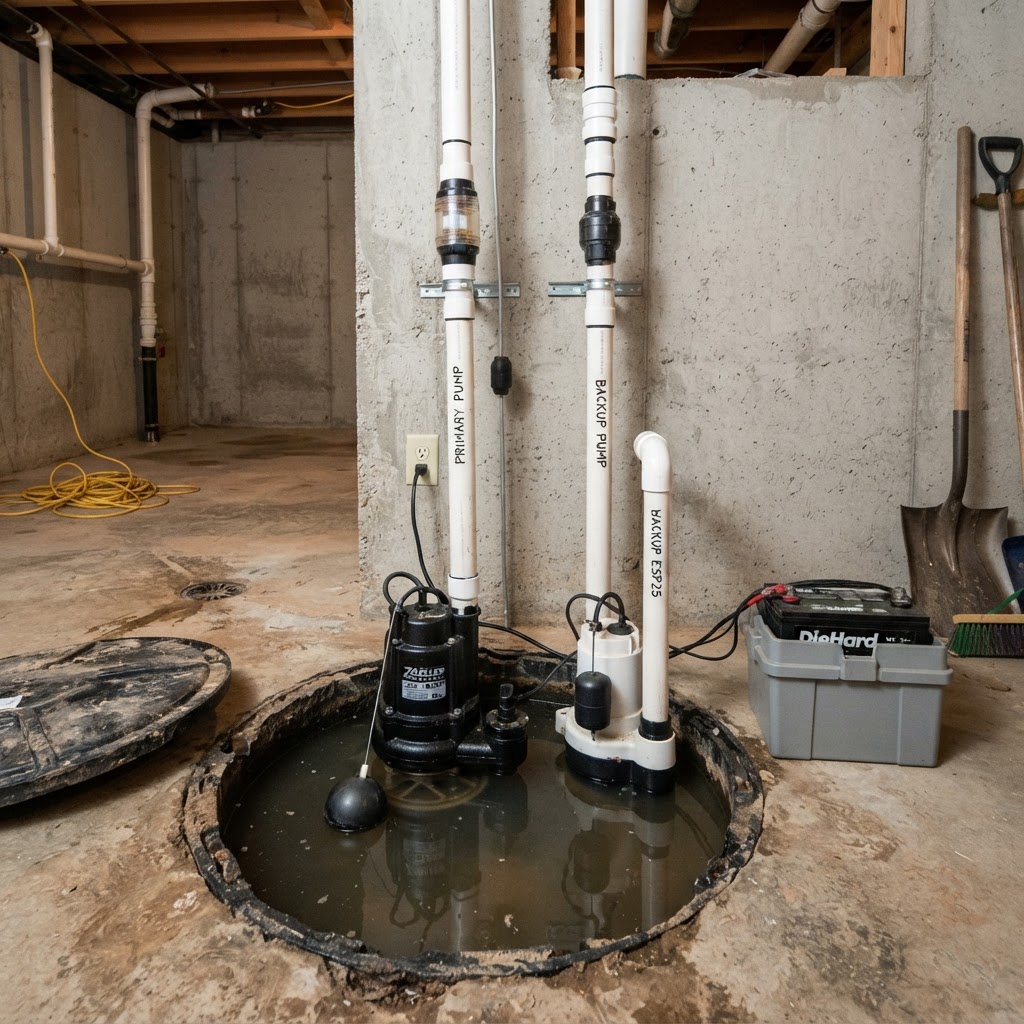
- First-time sump pit cut into the slab, with a liner, stone and a pump
- Replacement of a burned-out, noisy or undersized pump
- Battery backup as a second pump or combination unit
- Water-powered backup for homes on municipal water
- Alarms and Wi-Fi monitors that alert your phone
- Discharge line upgrades, including winter-proof outlets
- Second pit for large basements or heavy inflow
Built for a Northern Indiana Winter
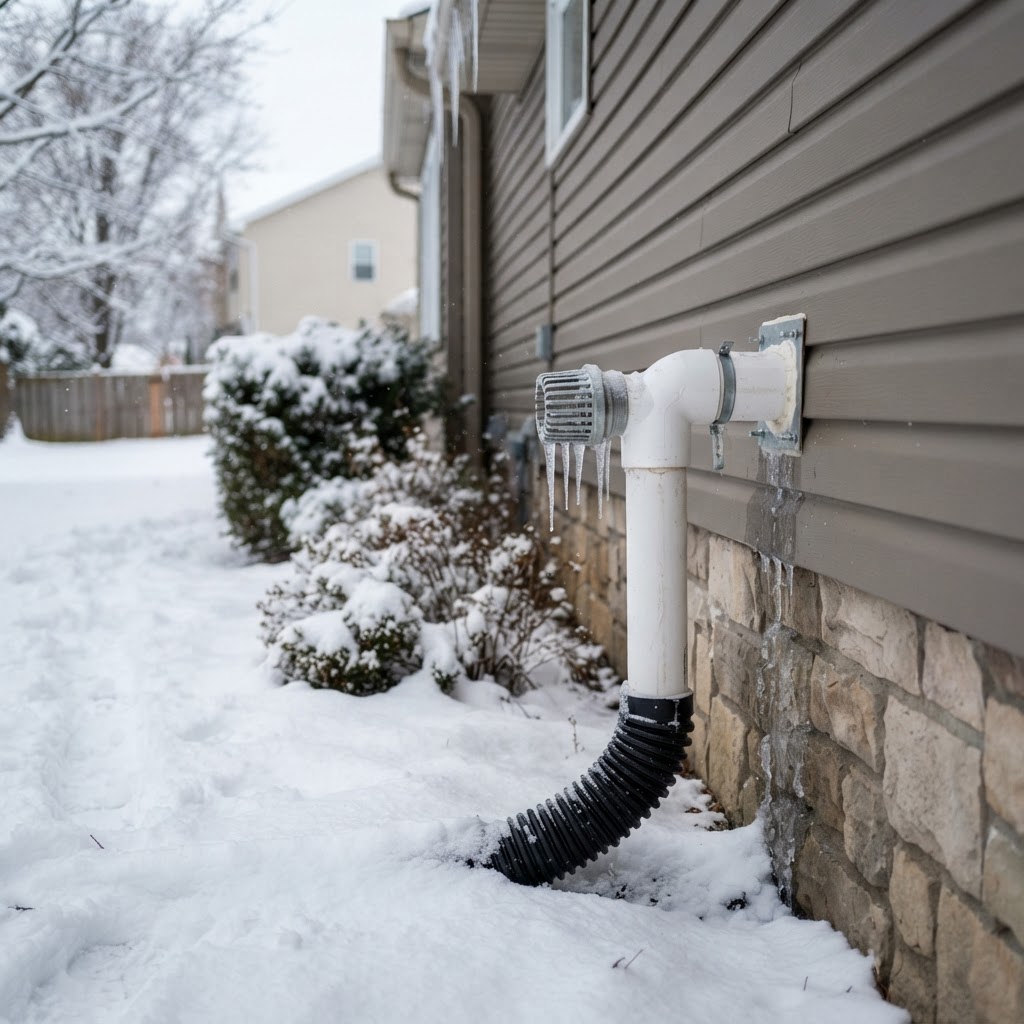
A discharge pipe that freezes is a common way South Bend pumps fail. If the line can't drain, the pump runs against a blockage and water stays in the pit. Ask about:
- Pipe sized and sloped so it drains between cycles
- A freeze-relief or overflow fitting near the house
- Buried lines below frost depth, or above-ground extensions that are removed in winter
Sizing in High Groundwater
If your pit refills fast, a stronger pump or a second pump may be smarter than one that runs constantly. Cast-iron pumps tend to outlast plastic ones under heavy duty. HomeGuide notes metal pumps cost about double but are more durable.
Don't Send It to the Sewer
Many utilities, likely including South Bend's, prohibit sump water in the sanitary sewer because it overloads treatment. Confirm the rules with the city and send the water to the lawn or to a storm line the city signs off on.
Costs
HomeGuide's sump pump cost guide reports:
- $600–$2,500 average installed
- $400–$700 to replace an existing pump
- $2,500–$5,000 when a concrete floor must be cut
- $200–$870 for repair and maintenance
- $4,000–$12,000 for a new or upgraded drainage system
National averages, not a quote.
Upkeep
- Test before spring thaw.
- Listen for a pump running when there's no rain.
- Check the backup battery and replace it every few years.
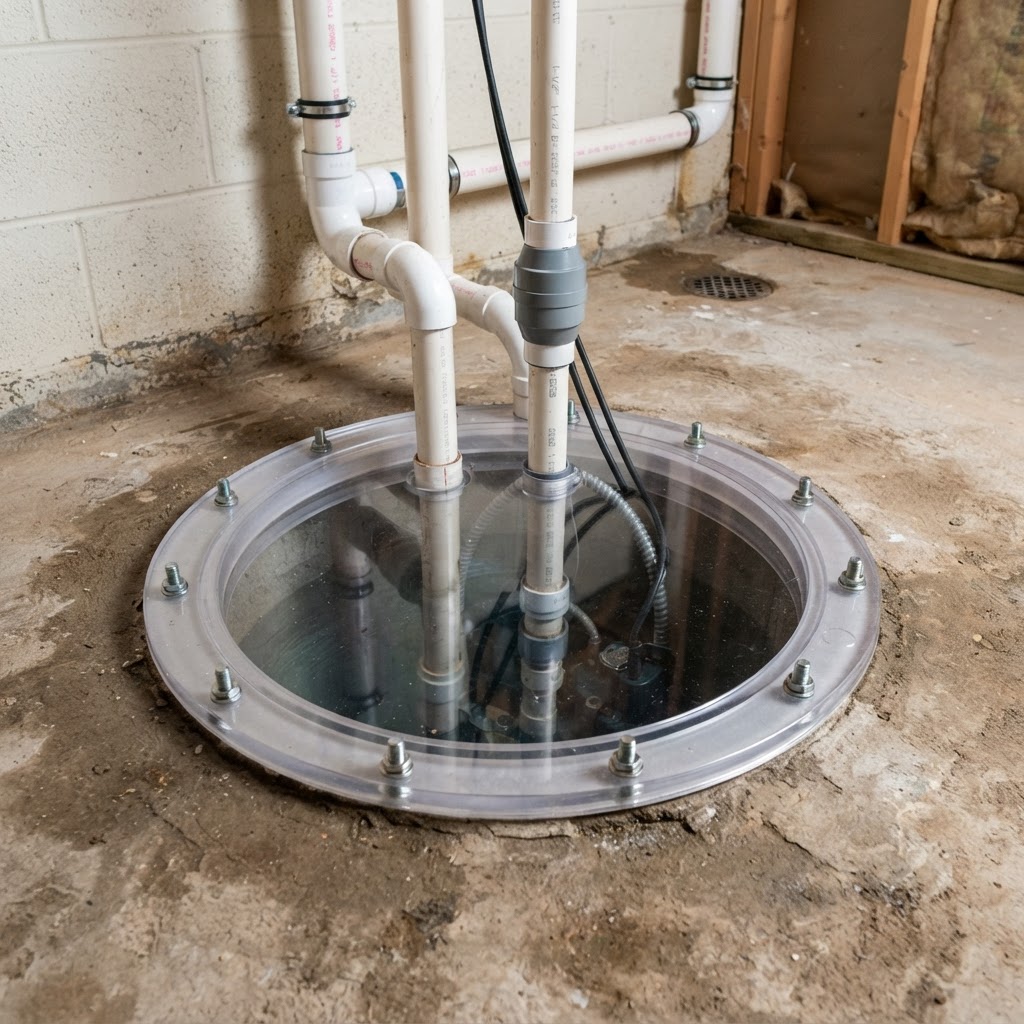
- Keep the lid on and the intake clear.
Frequently Asked Questions
Keep the pit empty when it counts.
Call {phone}.